Cauldron Development

Software problems solved at AI speed, guided by 25+ years of experience.

Your robotics, scientific or distributed system delivered on schedule and to spec. Lightning-fast multi-agent AI coding, directed by an experienced developer who did it by hand for more than two decades.

Discuss your project Fixed-price security audit
Folding@home lead developerKept running and secure from 2007, through a 500K+ user surge, to the world's first exaflop distributed computer
Firmware to serversFrom CNC controller boards to servers handling volunteers worldwide
Stanford · MSKCC · HP · WabtecA few of the labs and companies I've delivered for

Problems solved

Hands-on design, code and review, for systems where correctness and performance matter.

Your machine needs software you can trust

Motion control, G-code and toolpaths, machine controllers and the interfaces operators use. Built on experience with CNC controllers sold to customers, so the problems that only show up on real machines are handled from the start.

robotics · CNC · firmware · real-time Linux

Your research code needs to scale

Code that does its job on one workstation and now needs to run across a cluster, a GPU fleet or other people's machines. You get software your team can build, run and rely on in production.

scientific · HPC · GPU · C++ · Python

Your system has to stay up under load

Work distribution, client/server protocols, signing and verification, and systems that keep running when large numbers of untrusted machines connect. That includes crypto infrastructure.

distributed systems · crypto · reliability

Your C++ or embedded code needs to grow

Linux drivers, ARM/AVR firmware, cross-platform C++ and long-lived codebases that need new features, new platforms or better test coverage. They come back extended, modernized and in a state your team can maintain.

C/C++ · embedded · Linux kernel

Find and fix your security holes first

Attackers now use AI to find vulnerabilities faster than most teams can fix them. Put the same tools to work for you: an audit of your code and infrastructure, fixes for what it finds, and AI agents deployed with least privilege and sandboxing so they can't be turned against you.

Security audit & hardening sprint

You get: an AI-assisted audit of your code and infrastructure, for a fixed price, with the fixes delivered and not just a report.

Example: the 2026 audit of Folding@home's client, servers and web front end. The fixes included TLS certificate and hostname verification, session and login hardening, an XSS fix and CI workflow hardening.

fixed price · fixes delivered

AI agents that can't be turned against you

The risk: agents with credentials and shell access can be steered by other people through prompt injection, poisoned dependencies or malicious documents.

You get: agents set up with sandboxing, least-privilege credentials, prompt-injection containment and audit logging. The open-source sbx sandbox is built for this.

sandboxing · least privilege · audit logs

Vetted for Anthropic's Cyber Verification Program (defensive-security model access) through Folding@home in October 2026. That access is used for security work such as the Folding@home audit and testing sbx for holes.

Fast response when it counts: when a PHP vulnerability surfaced, PHP was removed or patched across the Folding@home, company and partner-lab servers within an hour.

Results

Selected projects from my portfolio.

Folding@homeStanford → MSKCC, WashU, Temple · 2007–2026
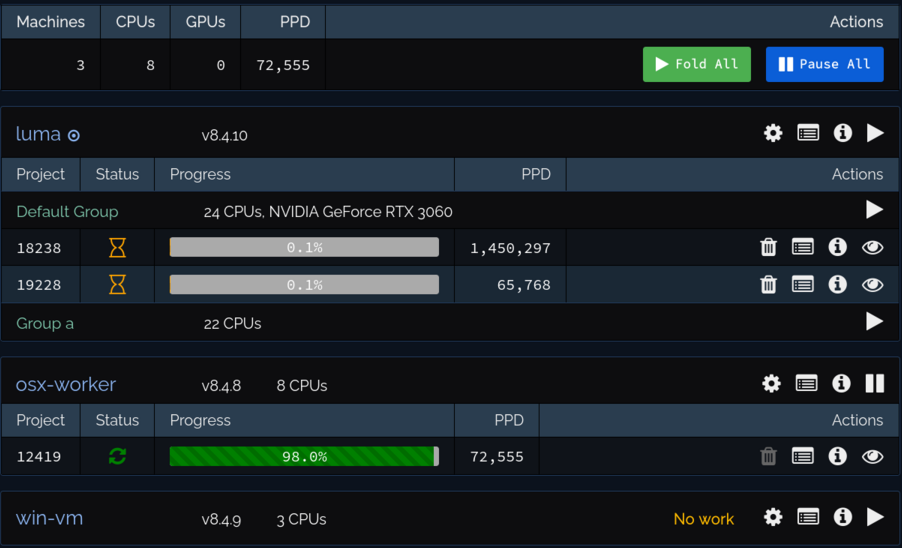
The Folding@home client managing several machines, each with its own work units and progress

The problem: in early 2020, COVID-19 research brought about 500,000 new volunteers to Folding@home within two weeks.
The solution: scaling the client, work server and assignment server to absorb them.
The result: the network kept running and passed one exaflop. A 2026 AI-driven security audit has since hardened the platform further.
BuildboticsCo-founder · since 2014
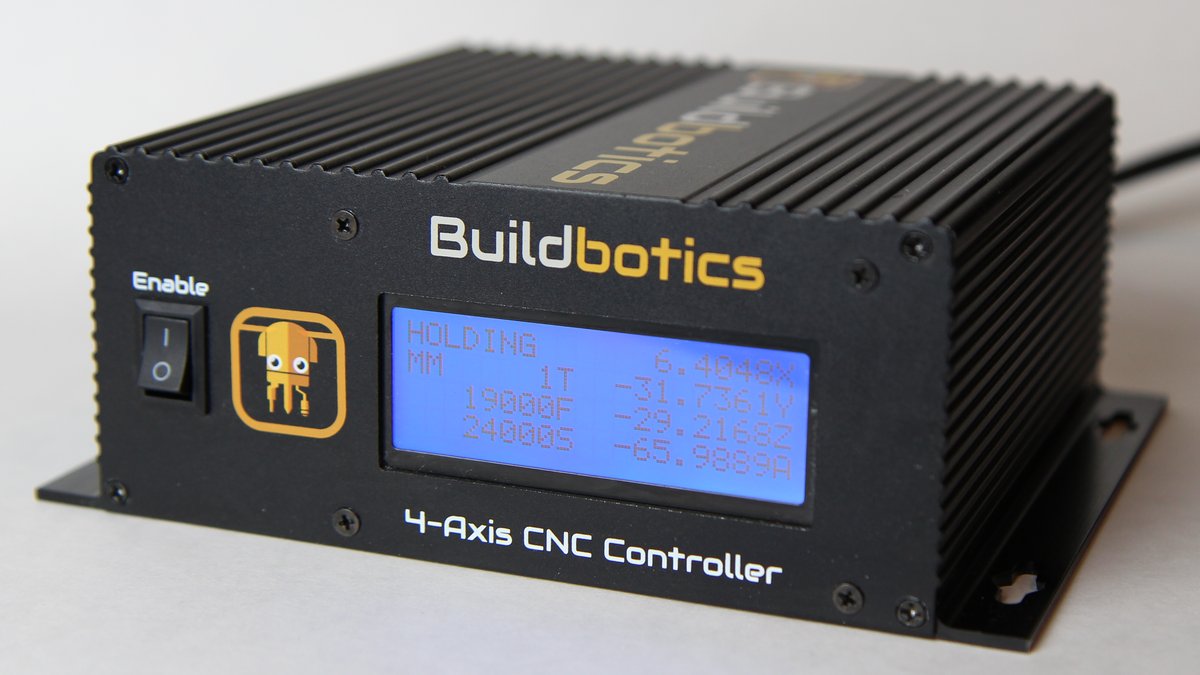
The Buildbotics 4-axis CNC controller

The problem: CNC users wanted a capable, open controller they could rely on.
The solution: hardware and software designed together: PCB, motion firmware, controller software and web interface.
The result: a controller that Buildbotics designs, builds and sells.

CAMoticsOpen source · ongoing
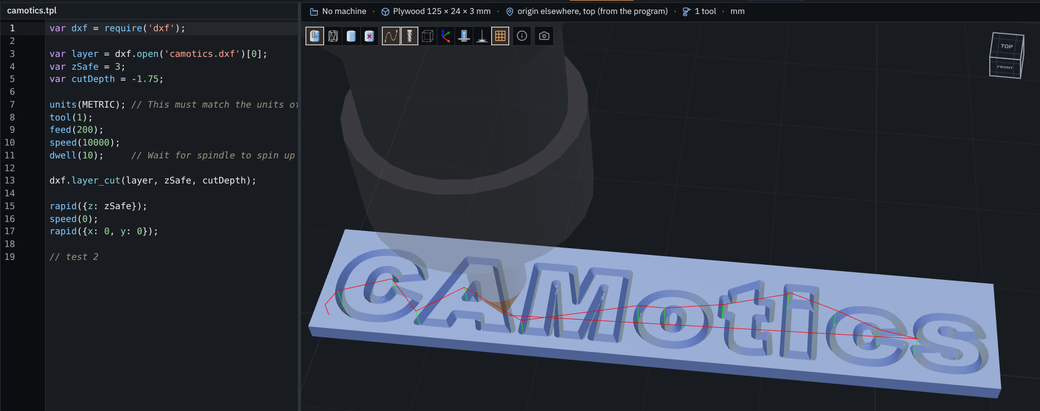
CAMotics Online in the browser: a toolpath program beside the simulated cut of the word CAMotics

The problem: machinists need to see what a G-code program will do before it cuts material.
The solution: a 3-axis CNC simulator and CAM tool. A browser version, CAMotics Online, is in development.
The result: open-source software used by machinists and makers worldwide.

sbxOpen source · 2026
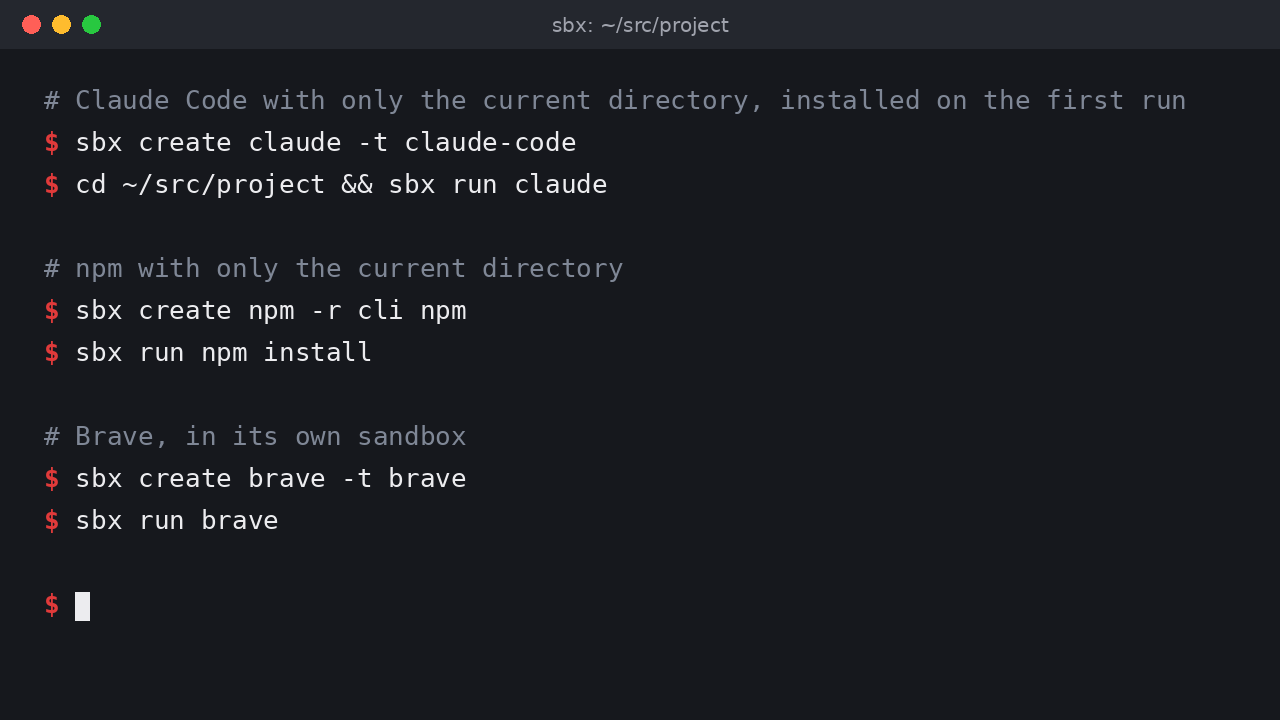
Terminal commands creating sbx sandboxes for Claude Code, npm and Brave

The problem: AI agents, npm packages and browsers normally run with full access to your account, keys and network.
The solution: a rootless Linux sandbox with a private home, internet-only networking, a filtered kernel interface and a display proxy that blocks keylogging and screen capture.
The result: an open-source tool for containing agents and untrusted packages on any Linux desktop.

Wabtec / Q-TronLocomotive control

Linux drivers, real-time performance tuning and embedded code for locomotive controllers. Wabtec came back years later for more driver work.

Hewlett-PackardEnterprise storage

Linux kernel drivers for an enterprise storage system controller.

Ugobe PleoConsumer robotics

Extended the on-robot virtual machine so owners could script the Pleo robotic dinosaur's behavior, and improved the firmware build system.

University of Amsterdam · Notre DameResearch simulation

The SESAME embedded-systems co-simulation workbench and the CompuCell3D biological simulator.

Also: HKUST (in-browser Folding@home client), KimCo (signal detection and controller firmware), Clearwater Analytics and XPit.com (trading systems), BOCOLAB (36-servo robotic sculpture), Dedicated Devices (MPEG). Open source: C! (cbang), more on GitHub.

Questions people ask

Can't any developer just use AI to do this?

AI agents write code fast, but they get off track: designs that won't scale, skipped error handling, failing tests "fixed" by weakening them. Catching that takes someone who understands the code and its architecture well enough to see where the agents went wrong and steer them back. With that, you get code about 20 times faster than by hand, and it's still right.

Will AI-written code be maintainable?

Left alone, agents solve each request in isolation and the codebase loses its structure. Setting the architecture first and holding the agents to it keeps the code clean enough for your team to extend.

Is AI-written code safe to put in my product?

Every change is reviewed and tested before it's merged. The agents run in the sbx sandbox with only the access the job needs.

You're in Finland. How does that work for a US company?

I'm American. I built my career and my company in the US, then moved to Helsinki with my wife and brought the company with us. Work is remote, with daily overlap with US business hours.

How to start

  1. A short call. You describe the problem and get an honest answer on whether this is the right fit.
  2. A written spec and a fixed quote for a first milestone, so you know what you're getting and what it costs before committing.
  3. Delivery you can see. Regular demos and code your team can review. Then we continue hourly, fixed-price or on retainer.

Good to know

  • Rates on request.
  • American, based in Helsinki. Remote, with daily overlap with US time zones.
  • Mutual NDA ready to sign (PDF).
  • Contracts and invoices through Cauldron Development Oy.

About me

Joseph Coffland at his desk

I'm Joseph Coffland, an American software engineer. I studied computer science at Boise State and started Cauldron Development in Idaho in 2005. The company spent most of its years in California, and later my wife and I moved to Helsinki and brought it with us. It's now Cauldron Development Oy, and most of my clients are still in the US.

I took my first contract in 2001 and have been building ever since, from 8-bit firmware to software running on volunteers' computers around the world. For 19 years I was lead developer of Folding@home. This year I released sbx, a sandbox for AI agents, and led a security audit of Folding@home. Now, I'm bringing CNC simulation and CAM to the browser.

I'm an open-source advocate. Outside work I hike, fish and paraglide.

Tell me what you're building and I'll help you deliver it faster

A short email is enough to start. You'll get a quick, honest reply on what's possible.

joseph@cauldrondevelopment.com

GitHub · CV